


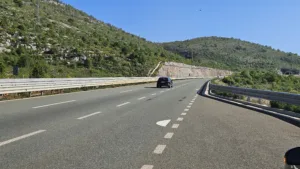
“This section is an immeasurably important developmental impulse for the north of Montenegro, as better traffic connectivity opens up space for the development of all other areas, from tourism and agriculture to creating opportunities for new jobs and overall improvement of the quality of life for citizens, with the main goal being to create the conditions for reducing or eliminating regional development disparities,” emphasized Ćulafić.
Speaking about the financial aspect of the project, the minister emphasized that the non-repayable grant from the European Union amounting to 150 million euros confirms the strong partnership with the EU and trust in the country’s developmental priorities, stressing that the construction of the second section is based on the principles of sustainable development and the highest European environmental protection standards.
“The residents of the north deserve to be connected qualitatively with the rest of the country, to have equal opportunities for living, working, education, healthcare, and business development. The friendly relationship with the EU has once again been confirmed through generous support in the form of a secured grant,” emphasized Ćulafić.
The minister noted that MERS, through its implementation units, has initiated a significant number of projects in the field of water supply and wastewater management in municipalities in northern Montenegro, and that all municipalities, without exception, are the focus of new ecological projects.
“At the same time, we are intensively working on closing and rehabilitating unregulated, or illegal landfills, providing support to local governments in the implementation of numerous ecological and developmental projects. Our goal is, therefore, for the development of the north to be comprehensive, to invest simultaneously in roads, environmental protection, communal infrastructure, to ensure that the security aspect is at the highest level, and for citizens to feel that they are important to the state; the overall goal is to create better living conditions for citizens,” concluded Ćulafić.





Comments