
This, they state, is not only an important step on the path to membership in the European Union, but a decision that determines how we want to develop Montenegro in the decades to come.
“The proposed Natura 2000 network of Montenegro consists of: 58 sites of Community importance (pSCI) covering 5220.30 km2 or 37.8 percent of the land territory of Montenegro; 32 special protection areas for birds (SPA) covering 5104.45 km2 or 36.96 percent of the land territory of Montenegro; and 7 marine sites of Community importance (marine pSCI) covering 179.37 km2, which is about 7.06 percent,” they state from CZIP.
Natura 2000 is, as they emphasize, not a network of prohibitions.
“It represents a framework that allows us to preserve nature while simultaneously developing sustainable tourism, agriculture, forestry, and other activities that benefit local communities,” they conveyed from CZIP.
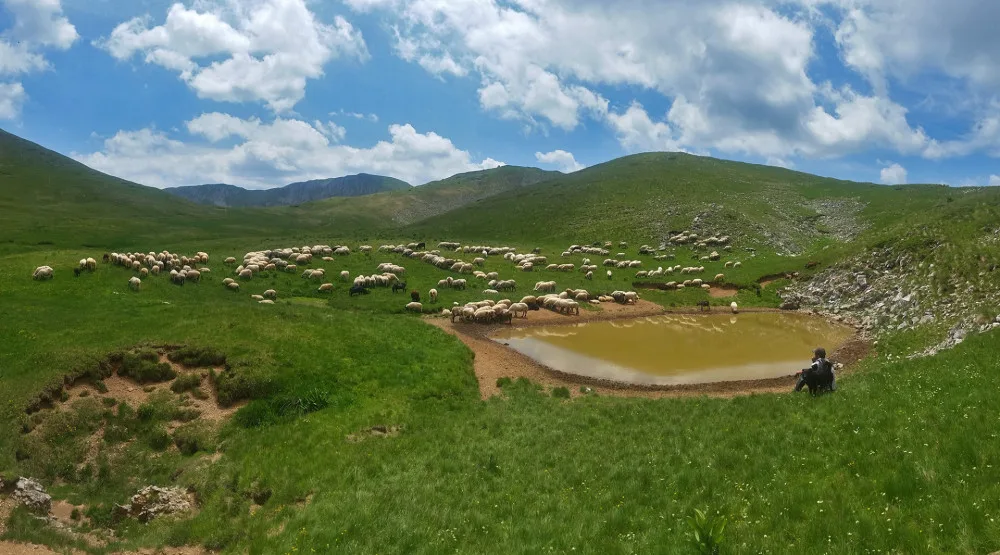
It is particularly important, they note, for residents of rural areas, as it opens new opportunities for development based on preserved nature, sustainable practices, and the use of European funds. That is why Natura 2000 represents a development opportunity for Montenegro – a model in which nature is not an obstacle to development, but its most valuable resource.
“This decision is the result of nearly a decade of dedicated work by a large number of people and institutions. We are grateful to the Environmental Protection Agency, the Ministry of Ecology, Sustainable Development and Northern Development, the Institute for Marine Biology, numerous scientists, experts, international partners, non-governmental organizations, and everyone who has collected data, researched the field, and contributed to this process over the years, as well as the decision-makers who recognized the importance of this historic step,” they stated from the Center.
They express pride in having been part of this process through field research, data collection, expert contributions, and long-term advocacy for the establishment of the Natura 2000 network in Montenegro.
“With the adoption of this proposal, the work is not finished. The next step is to finalize the documentation and submit it to the European Commission, which will assess whether the proposed Natura 2000 network sufficiently protects the most important species and habitats in Montenegro. After receiving a positive opinion from the European Commission, the areas will officially become part of the largest coordinated network of protected areas in the world – Natura 2000 – upon Montenegro’s accession to the European Union,” said CZIP.
Until then, they expect the Ministry of Ecology, Sustainable Development and Northern Development to work intensively on establishing functional management structures for the future Natura 2000 network, so that Montenegro is ready for the moment of accession to the European Union.
“Equally important will be communication with citizens. Understanding of the Natura 2000 concept is still very low, and there are numerous uncertainties and misconceptions about what this network represents and how it will affect people’s daily lives,” it is emphasized in the statement.
Particular attention, they note, needs to be paid to residents of rural areas who live from agriculture, tourism, forestry, and other activities related to natural resources. They should be among the first to receive clear, accurate, and timely information about what Natura 2000 brings, what opportunities it opens, and how it will be implemented. Therefore, we expect the relevant institutions to launch an intensive and long-term informational campaign that will bring this concept closer to all citizens and help Natura 2000 be recognized as a development opportunity, rather than a cause for concern.
The adoption of the proposal for the future Natura 2000 network is not, as they conclude, the end of one process, but the beginning of a new phase in which the protection of nature will become the foundation of sustainable development in Montenegro – for the benefit of nature, people, and future generations.








Comments