Kremlin spokesman Dmitry Peskov said that Russia is ready to mediate in ending the conflict in Iran, if acceptable options are agreed upon.
Israeli attacks on Lebanon continue - at least 14 people have been killed and 37 wounded in attacks in the south, the Lebanese Ministry of Health announced.
The leader of the Lebanese militant group Hezbollah, Naim Qassem, has rejected direct negotiations with Israel, describing them as a "grave sin" that would destabilize the country, while Israeli Defense Minister Israel Katz warned that the group's defiance would have catastrophic consequences for Lebanon.


At the same time, in St. Petersburg, Iranian Foreign Minister Abbas Araqchi spoke with Russian President Vladimir Putin about the situation in the Middle East, assessing that US President Donald Trump requested negotiations with Iran because the US had not achieved any of its goals.
The Kremlin also announced that Russia is ready to mediate in ending the conflict in Iran if acceptable options are agreed upon, and that Moscow remains committed to strengthening relations with Tehran.
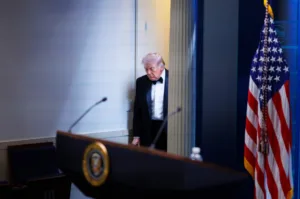
The White House, meanwhile, announced that Trump had spoken with top national security advisers about a new Iranian proposal to resolve the conflict, but that his basic demands remained unchanged, including the free flow of oil through Hormuz and that Iran hand over its enriched uranium.
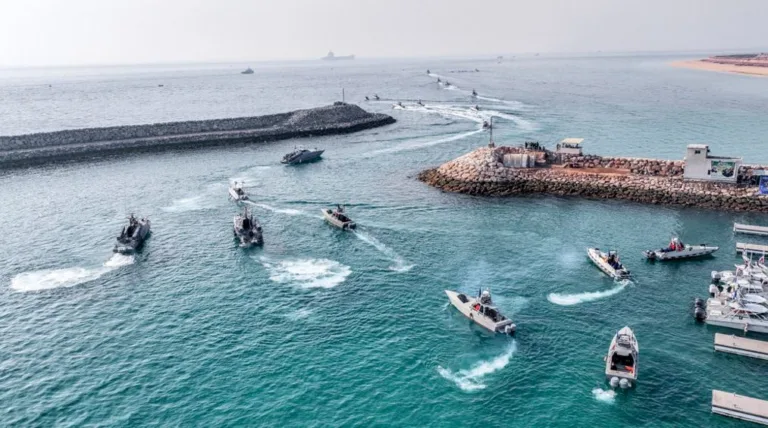
US Secretary of State Marco Rubio, however, stated that Iran's offer to reopen the Strait of Hormuz under strict conditions is not acceptable to the US or other countries, as it would leave the strait under Tehran's control.
Meanwhile, British Minister for Europe and North America Stephen Doughty said that the UK does not support the US blockade of Iranian ports, but advocates for joint efforts to ensure unhindered navigation through Hormuz.