

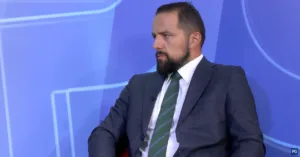
Although the increase in the price of electricity is mostly influenced by the transition to renewable sources and the encouragement of green energy production, and an increase in the price of electricity is inevitable with Montenegro's entry into the EU, the Chairman of the Board of Directors of EPCG, Milutin Đukanović, assures that this does not have to be the case.
"Our formula is: if we have enough new sources of electricity, we will be able to keep the price of electricity low. It's all connected. So, Montenegro has great potential for renewable sources, hydro, wind and solar. Of course, this should be accompanied by the construction of battery systems, the prices of which have been much more acceptable and much lower in the last few years. If we create enough sources of electricity, why would we increase them," Đukanović points out.
Đukanović emphasized that the construction of the wind farm on Možura is a case of international corruption, which struck at the foundations of EPCG.
"The Možura wind farm has been granted a price of 96 euros per megawatt hour, which will be paid by Elektroprivreda and citizens. So, we pay you for electricity at 96 euros per megawatt hour, and we sell that same electricity to citizens at 42, 43 euros per megawatt hour," Đukanović emphasized.
The most expensive electricity in the EU, according to Eurostat data, is paid by households in Germany, Belgium, and Denmark, at more than 30 euros per 100 kilowatt hours. The price of electricity in Croatia has been rising since joining the EU and is now 26 euros, and the announced, significant price increase has been postponed until September by the government's decision. In contrast, most Eastern European countries and EU candidate countries have significantly lower prices. In Turkey, Georgia, Kosovo, Bosnia and Herzegovina, and Montenegro, electricity cost less than 10 euros per 100 kWh at the beginning of last year.




Comments