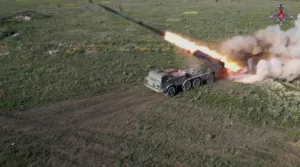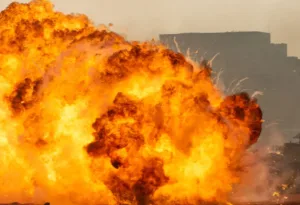
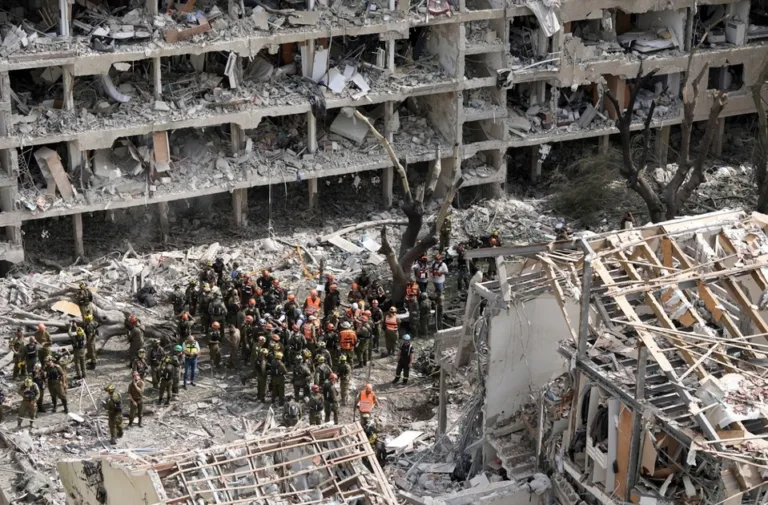
At the same time, Israel launched a new wave of broad strikes on targets in Tehran, further heightening fears of a spread of the conflict to the entire region.
According to available reports, alerts were raised overnight and in other parts of the region, including some Gulf states, as there are growing signs that the conflict is entering a new, more dangerous phase. US Admiral Brad Cooper said the campaign against Iran was "ahead of schedule or on schedule", while Tehran continued to threaten retaliation if its power plants and other key infrastructure were targeted.
Tehran under attack, risk of wider regional escalation grows
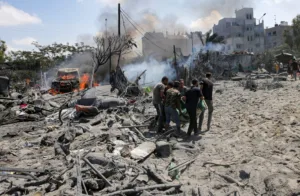
The Israeli military earlier said it was carrying out a "broad wave of strikes" on what it said were Iranian regime infrastructure in Tehran. Iranian media reported explosions in several parts of the capital, while some reports also spoke of strikes in other cities. Some of the claims about locations hit and casualties could not immediately be independently confirmed.
Adding to the concern is the fact that Iran has warned that any attack on its power plants could be met with strikes on energy facilities in Israel, as well as in other countries in the region linked to the US military presence. French President Emmanuel Macron has therefore called for a moratorium on attacks on civilian and energy infrastructure, as well as the restoration of free navigation through the Strait of Hormuz.
The Strait of Hormuz remains a key point of crisis
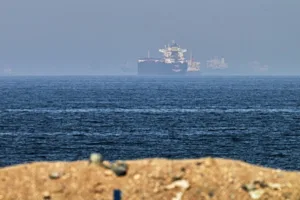
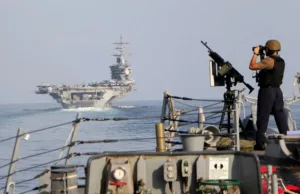
The Strait of Hormuz, one of the world's most important energy corridors, remains at the center of international concern. US President Donald Trump has threatened to attack Iranian power plants if Tehran does not fully open the strait to shipping within 48 hours, while Iran has responded by saying it could further intensify strikes and completely close the passage.
British Prime Minister Keir Starmer and Trump discussed the need to reopen the shipping route, and European leaders in recent days have also called for the restoration of free navigation and an end to attacks on energy and water infrastructure.
Markets are already reacting: Asian stock markets are falling, oil is volatile
The escalation of the conflict is already being felt in global markets. Asian stocks fell sharply at the start of the week, while oil prices remain high and highly volatile on fears of a prolonged disruption to Gulf supplies. The International Energy Agency has warned that the current energy crisis is worse than the oil shocks of the 1970s.
This means that the consequences are no longer just military and political, but also economic: more expensive energy, higher transportation costs, and new inflationary pressure could very quickly spill over into European markets.
Region on the brink of wider conflict
In addition to the exchange of strikes between Iran and Israel, there are growing signs that war threatens to engulf the wider Middle East. Missiles and drones have been reported intercepted in some Gulf states, while the Israeli military is simultaneously announcing the continuation and possible expansion of operations against Hezbollah in Lebanon.
Therefore, there is growing concern that the coming days could bring even more powerful strikes, but also additional pressure from the international community to prevent uncontrolled escalation that would threaten civilian infrastructure, energy security, and maritime traffic.