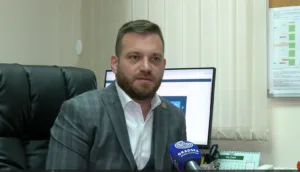

Samir Ramović, from Podgorica, says he has had kidney problems since childhood and lived with this problem until two years ago when doctors referred him to dialysis - which he avoided because he found a donor.
"Thanks to my uncle who donated my kidney, I finished it in a month and a half and came to the doctor here where we had plans for me to go on dialysis and wait for the trip to Belarus, but I returned with a transplanted kidney," he said.
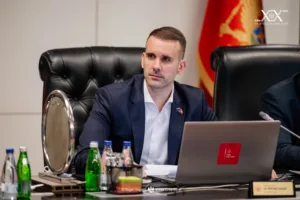
Ramović warns that kidney disease often does not involve pain, making it difficult to recognize symptoms. That's why, he points out, prevention is key.
"If a person has regular check-ups, goes to the doctor regularly, they can find out in the early stages and do something about it. There are diseases that are very insidious, that don't hurt. I only noticed it when my creatinine and urea levels were very high, and I felt weak and tired," he said.
Samir's uncle gladly agreed to donate a kidney to his nephew, which, he says, allowed him to continue living.
"He's a quiet hero, he didn't make a fuss about it, a man from Bjeljina contacted me, he wanted to donate his kidney to me and I had already made an agreement with him" + "before leaving, my uncle contacted me, all three of us went for tests and it turned out that my uncle was more compatible, because he's a relative and we went through that difficult and emotional struggle together," he pointed out.
Ramović appeals to the competent institutions to make additional efforts to make the fight easier for patients with kidney diseases.
"If I had studied medicine, I might still be on dialysis, because I have two children with special needs, and that's why I did it. Then, so that the procedures wouldn't be so harsh. I also had a donor and wanted to do the transplant, but I had to wait, I would have ended up on dialysis. The worst thing is that the situation is considered not urgent, I submitted a request for reimbursement of some costs, I was rejected because it was not urgent and I did not follow the procedure," said Ramović.
He adds that his uncle, after donating his kidney, was also rejected for someone else's care, although, as he believes, that is the least the state should have done. Ramović says that citizens' awareness of the importance of organ donation is not at a satisfactory level and that the authorities should also work on this.