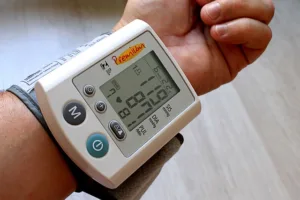

There is growing evidence that the morning meal can also have an impact on blood pressure. Research shows that people who regularly skip breakfast are more likely to have hypertension. If you struggle with high blood pressure, a properly chosen and timely breakfast can be an important ally in controlling values.
When is the best time to have breakfast?
Experts advise eating your first meal relatively soon after waking up. Although there is no exact time that applies to everyone, it is recommended to eat breakfast within 30 to 60 minutes of waking up.


The reason is simple – the body needs “fuel” to stabilize blood sugar levels and reduce the strain on the cardiovascular system. A morning meal also helps regulate cortisol, a stress hormone that is naturally elevated in the early hours of the morning. If you skip breakfast, cortisol can remain at higher levels longer than it should, which can negatively affect blood pressure.
However, if you're not used to eating as soon as you open your eyes, there's no need to make sudden changes. It's important to make breakfast a part of your routine, a time when you can sit down and eat your meal without rushing. Conscious and relaxed eating also contributes to better digestion and more stable blood pressure.
Why is breakfast important for the heart?
Eating breakfast regularly is associated with better blood pressure and a lower risk of heart disease. While this doesn't mean that skipping breakfast directly causes hypertension, there is a clear link between morning habits and heart health.
In addition to affecting stress hormones, breakfast provides an opportunity to take in nutrients that are key to blood pressure regulation, such as potassium, magnesium, and calcium. At the same time, morning is a good time to limit your salt intake, which is one of the main risk factors for high blood pressure.
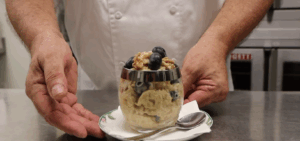
A good breakfast should contain:
- fruit or vegetables
- whole grains
- legumes or nuts
- at least 20 grams of protein
- minimal amount of salt
Pay special attention to baked goods and processed meats, such as sausages and salami, as they often contain large amounts of hidden salt.
A morning meal also helps maintain stable blood sugar levels and improves insulin sensitivity. If blood sugar is not controlled in the long term, it can cause damage to blood vessels and kidneys, which further contributes to the development of hypertension.
What else can you do to control your blood pressure?
Breakfast is important, but it's not the only step toward better blood pressure control. Here are a few other habits that can help:
Balanced diet – choose foods that are good for the heart: fruits, vegetables, low-fat dairy products, fish, skinless chicken, nuts and legumes.
Stress reduction – deep breathing techniques, meditation, physical activity, and quality time with loved ones can have a big impact.
Regular exercise – the recommendation is at least 150 minutes of moderate physical activity per week or 75 minutes of more intense exercise. If that seems like too much, start gradually – every step counts.
Be careful with alcohol – although a glass of wine is often thought to be good for the heart, overdoing it can raise blood pressure and increase the risk of numerous health problems.
The bottom line is clear – if you have high blood pressure, don't skip breakfast. Eat it relatively soon after waking up, choose nutrient-dense foods, and make your morning meal a part of your daily routine. Small changes in your habits can have big benefits for your heart health.