The cemetery, a place of silence, remembrance, and final resting place. As for other communities, it is a sensitive topic for the Roma community.
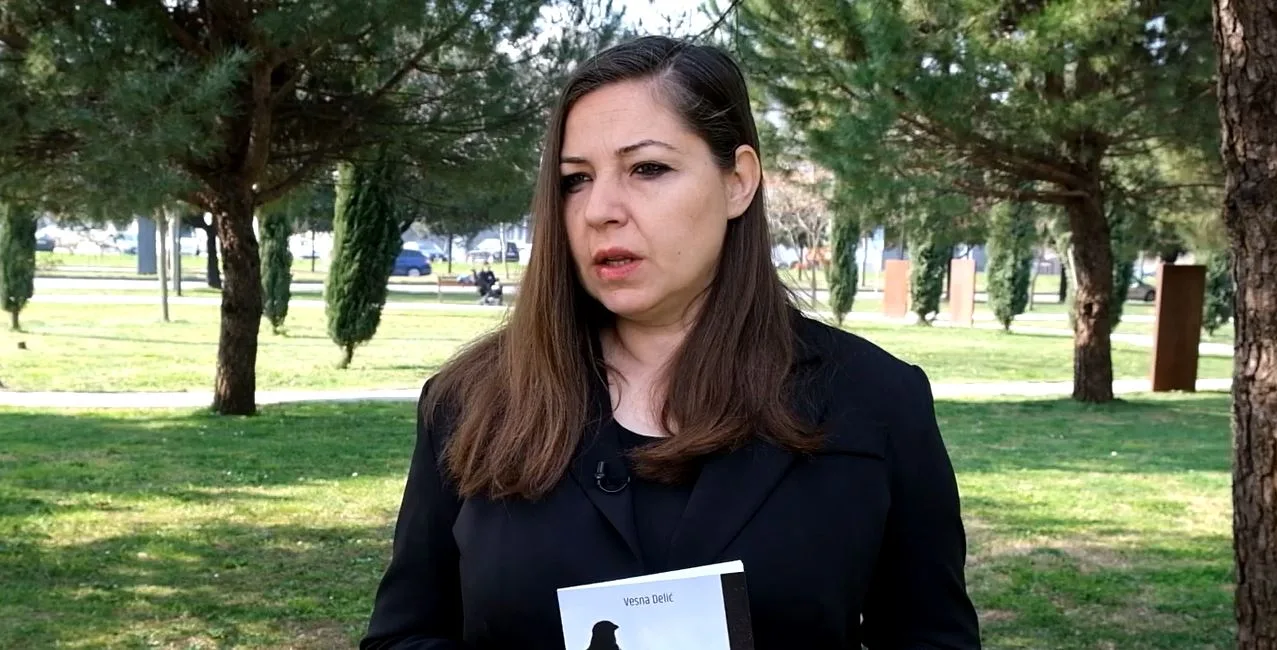
Anthropologist Vesna Delić mapped Roma cemeteries in Montenegro last year. Her research began with the question of whether Roma were discriminated against even in death, given that in some places they were buried in separate plots. However, the results showed a different picture.
"My conclusion would be that Roma today are buried in all three types, meaning in their own Roma cemeteries, in special peripheral areas, but also among the rest of the population," said anthropologist Vesna Delić.


In Montenegro, Roma people of different religious affiliations live – Muslims and Orthodox Christians. The manner and place of burial often depend on the religion they practice.
"We have users who are buried in the Zagorič and Čepurci cemeteries, while there was no interest in the New Cemetery. Maybe that's because there is some information that I came across that members of the Roma ethnic community are most often buried there, in the Cijevna cemetery, that is, in the Cijevna cemetery," said Bojan Raković from Funeral Services.
At the Čepurci cemetery in Podgorica, there is a special plot number seven where members of the Roma community were once buried. This plot mainly contains the remains of the Orthodox Roma family Adžović.
"Right now, people are buried in cemeteries, in all city cemeteries, and based on the technical-spatial plan, the free places where they choose graves are selected, so there is no question of any religious or any other discrimination," Raković points out.
During our visit to the Čepurci cemetery, we could see that the graves were well-maintained and maintained. However, this is not the case with all Roma cemeteries in Montenegro. Anthropologist Vesna Delić warns that some of them require urgent action.
"First of all, I have to say that these exclusively Roma cemeteries are divided into old ones and those that are no longer active and those that are still active, and if we're talking about that inactive cemetery, it's in Spuž, which, I would like to take this opportunity to appeal to the Roma community and institutions to get involved and sort things out as soon as possible, because there are a lot of graves in the hawthorn thorn bush and they can't even be seen, only their monuments are sticking out," Delić told us.
Roma cemeteries also exist in other parts of Montenegro. In Bijelo Polje there are two Čergar cemeteries – in the village of Bogač and near the Slijepač bridge. In Pljevlja, Roma and Egyptians were buried in the city cemetery Ravni, in the Muslim part of the cemetery, while in Andrijevica there are no members of the Roma community buried.